
1939 – 1971
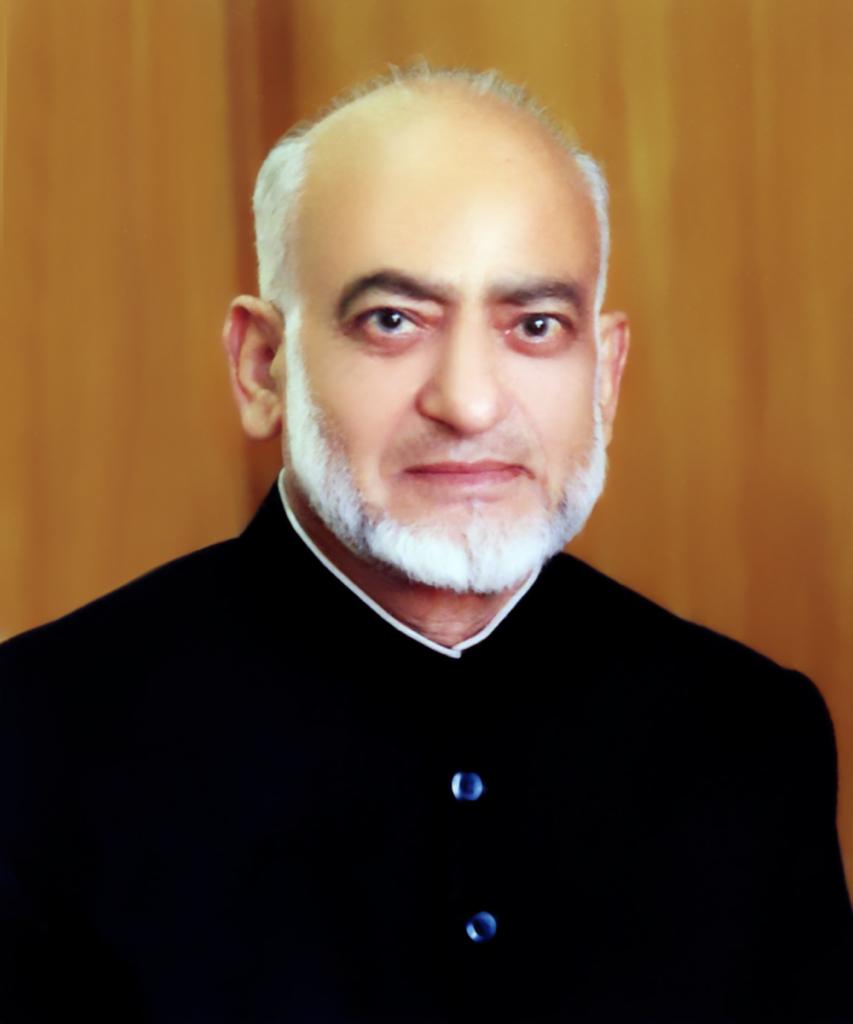
A Humble Beginning
In 1939, in the bustling city of Lahore, Pakistan, a dream was born. Mian Muhammad Sharif laid the first stone of a journey that would span generations.
What began with a few tools and endless determination evolved, through grit and relentless hard work, into Ittefaq Foundries Ltd — By 1971, Ittefaq Foundries had grown into Pakistan’s largest steel and heavy engineering enterprise — the crown jewel of the Ittefaq Group and a symbol of national industrial pride.
Yet, history often tests the greatest of legacies.
December 1971 brought the fall of Dhaka, severing their operations in East Pakistan.
Two weeks later, in Lahore, Ittefaq Foundries was nationalized without compensation — years of blood, sweat, and ambition wiped away overnight.
Yet even stripped of their assets, the spirit of resilience, deeply embedded by Mian Muhammad Sharif, could not be broken.
Rekindling the Legacy
The family did not mourn — they rebuilt
In 1972, they ventured beyond borders, with the establishment of the GCC’s first steel manufacturing plant in the UAE — a symbol that their spirit knew no boundaries. The mill was subsequently sold.
Undeterred by the era’s nationalization drive, between 1972 and 1977 they established five new industrial enterprises within just 18 months:
- Ittefaq Brothers
- Ilyas Enterprises
- Nawaz Shahbaz Enterprises
- Javed Parvez Enterprises
- Khalid Siraj Industries
In 1979, the devastated Ittefaq Foundries were returned to the family. And true to their nature, they invested millions to resurrect it from ruins.
The 1980s became a golden era:
- Ittefaq Textile Mills spun into life.
- Brothers Steel Mills expanded their steel empire.
- Ittefaq Sugar Mills began production, its machinery a testament to their in-house engineering excellence.
- Brothers Textile Mills, Khalid Siraj Textile Mills, Ramzan Buksh Textile Mills, and Brothers Sugar Mills soon followed.
Despite political hurdles and financial embargoes, the Ittefaq Group thrived — becoming Pakistan’s largest industrial group by the late ’80s, employing thousands and fuelling national growth.
1972 – 1990
Title
Description
Title
Description

Title
Description
Title
Description
1990 – 1999
Trials, Sacrifice, and New Beginnings
As the third generation matured, 1990 brought a voluntary division of the Group among the seven families.
Steel businesses remained collectively owned, while other assets were distributed individually.
Mian Muhammad Sharif retained only Ramzan Sugar Mills and a modest textile unit, Khalid Siraj Industries, a humble share for a man of his stature.
Between 1990 and 1998, the family forged ahead with new ventures:
- Hudabiya Paper Mills
- Hamza Board Mills
- Chaudhry Sugar Mills
- Hudabiya Engineering
Inspired by the core values of Mian Muhammad Sharif — integrity, hard work, resilience, and excellence — Hussain Nawaz, equipped with a law degree from the London School of Economics and the entrepreneurial spirit of his forefathers, embarked on rebuilding from the ground up.
In 2001, near Makkah, he took a modest steel facility and transformed it into a full-fledged manufacturing unit — a powerful reflection of perseverance, vision, and ambition. By 2006, this venture was successfully transitioned through a family settlement, laying the foundation for a new era of industrial achievement.
Passing the Torch: From Muhammad Sharif to Hussain Nawaz
Inspired by the core values of Mian Muhammad Sharif — integrity, hard work, resilience, and excellence — Hussain Nawaz, equipped with a law degree from the London School of Economics and the entrepreneurial spirit of his forefathers, embarked on rebuilding from the ground up.
In 2001, near Makkah, he took a modest steel facility and transformed it into a full-fledged manufacturing unit — a powerful reflection of perseverance, vision, and ambition. By 2006, this venture was successfully transitioned through a family settlement, laying the foundation for a new era of industrial achievement.
2021
Title
Description
Title
Description